Show Times
Tuesday 27, October
Thursday 29, October
Friday 30, October
Saturday 31, October
Sunday 1, November
American Doctor
When three American doctors-Palestinian, Jewish, and Zoroastrian-enter Gaza to save lives, they find themselves caught between medicine and politics, risking everything to expose the truth.
Horror of Dracula
NR
After Jonathan Harker attacks Dracula at his castle (apparently somewhere in Germany), the vampire travels to a nearby city, where he preys on the family of Harker's fiancée. The only one who may be able to protect them is Dr. van Helsing, Harker's friend and fellow-student of vampires, who is determined to destroy Dracula, whatever the cost.
Sense and Sensibility
PGfor some thematic elements, partial nudity and brief violence.
From Focus Features and Working Title comes an irresistible new take on Jane Austen’s iconic Sense and Sensibility: a charming, witty, and deeply relatable story of love and sisterhood starring Daisy Edgar-Jones and Esmé Creed-Miles.
The Scout
NR
Sofia works as a location scout for a TV pilot filming in New York City. It’s her job to find the homes, businesses, and exteriors where the show will be filmed. Driving around the city's different neighborhoods, she enters the private spaces of strangers to photograph their cozy apartments and eclectic shops, stepping into the fabric of their lives while trying to satisfy the demands of her erratic employers. Over a day filled with these encounters, Sofia witnesses moments of curiosity, vulnerability, and quiet tension until her work takes a sudden, personal turn. Drawing from her own experience as a location scout, writer-director Paula González-Nasser captures the poetry and costs of being a young creative. Her celebrated directorial debut The Scout crafts a contemplative exploration of urban disconnection, following one woman's journey through other people's worlds as she struggles to find her own.
The Work in Progress
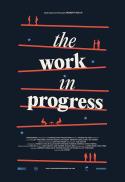
If you were invited to sit at a table with someone you’ve never met before and answer handwritten questions from a wooden box about the state of America, would you run the other way? The Work in Progress invites strangers from across generations and geographies to engage in candid discussions about America’s ever-evolving democracy, identity, and definitions of community — and where the heck we go from here. Guided by questions posed by Executive Producer Robert Reich, participants sit down in a series of conversations with one another to explore the country they’re living in now and the one they still believe is possible. These encounters are intercut with portraits of Americans at work — in woodshops, laboratories, fields, board rooms, recording studios, theaters, and beyond. The message is simple but profound: America can work because, in many ways, it’s already working. And a central part of the work ahead is to reclaim the practices of dialogue, debate, compromise, and perhaps most importantly, listening, so that we might find our footing again. What emerges in The Work in Progress is an unusual and provocative glimpse of America in its 250th year, and an invitation to all Americans to pull up a chair, invite a stranger, and lend an ear.

Wicker
Rfor sexual content, language and brief full nudity.
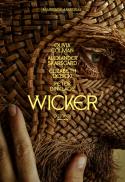
On the outskirts of a village by the sea, lives a Fisherwoman; smelly, single and perpetually ridiculed. One day, fed up with her stuffy, small-minded neighbors, she commissions herself a husband to be made from wicker. In an otherwise conservative town, this unconventional romance sparks outrage, jealousy and chaos.